Women’s health needs can change at different stages of life. Menstrual problems, reproductive health concerns, pregnancy-related changes and gynecological conditions may require medical attention at different times. Some women experience irregular periods or pelvic pain, while others may need care for uterine fibroids, ovarian cysts or endometriosis. During pregnancy, regular monitoring is also important for assessing the health of both the mother and the developing baby.
An Obstetrician-Gynecologist in Indore provides medical care related to pregnancy, childbirth and conditions affecting the female reproductive system. This care may include routine gynecological examinations, pregnancy monitoring, high-risk pregnancy management and evaluation of conditions that may require medical or surgical treatment. The appropriate approach depends on symptoms, medical history, examination findings and individual health needs.
Dr. Shruti Tiwari is a consultant Obstetrician and Laparoscopic Surgeon associated with Jyoti Hospital, Vijay Nagar, Indore. She has completed MBBS and MS in Obstetrics and Gynecology from Devi Ahilya Vishwavidyalaya, Indore, along with a Master in Cosmetic Gynecology from ICCG. Her clinical areas include pregnancy care, high-risk pregnancy management, women’s reproductive health and laparoscopic gynecological procedures. This article explains common women’s health conditions, pregnancy care, laparoscopic treatment options and important factors to consider when choosing an Obstetrician-Gynecologist in Indore.
What Does an Obstetrician-Gynecologist Do?
An obstetrician-gynecologist provides medical care for pregnancy, childbirth and women’s reproductive health. Although obstetrics and gynecology are closely connected, they cover different aspects of women’s healthcare. Obstetrics focuses on pregnancy, delivery and care after childbirth. It includes monitoring the mother’s health, assessing the baby’s development and identifying possible pregnancy-related complications. Gynecology focuses on the female reproductive system, including the uterus, ovaries, fallopian tubes and cervix. It involves evaluating menstrual problems, pelvic pain, fibroids, ovarian cysts, endometriosis and other reproductive health concerns.
When should a woman visit a Gynecologist in Indore? Medical assessment may be helpful when she experiences persistent menstrual changes, painful periods, unusual bleeding, pelvic discomfort or other symptoms affecting her reproductive health. Regular medical check-ups may also help identify certain conditions before they cause significant symptoms. An Obstetrician in Indore may also provide antenatal care, pregnancy monitoring and guidance about delivery planning. The type of care depends on the stage of pregnancy and the mother’s medical history.
Dr. Shruti Tiwari – Obstetrician and Laparoscopic Surgeon at Jyoti Hospital
Dr. Shruti Tiwari is a consultant Obstetrician and Laparoscopic Surgeon associated with Jyoti Hospital, Vijay Nagar, Scheme No. 54, Indore. Her qualifications include MBBS, MS in Obstetrics and Gynecology and a Master in Cosmetic Gynecology from ICCG. Her clinical areas include pregnancy care, high-risk pregnancy management, reproductive health concerns and laparoscopic gynecological procedures. Her approach to patient care involves assessing the medical condition and considering suitable treatment options according to individual clinical findings.
Women searching for an Obstetrician-Gynecologist in Indore may consider a doctor’s relevant qualifications, clinical areas, hospital facilities and experience with the particular condition or procedure. It is also important to understand the diagnosis, available treatment choices and possible risks before making a medical decision. Dr. Shruti Tiwari practises at Jyoti Hospital, Vijay Nagar, Indore. The hospital is located in Scheme No. 54, making it relevant for women looking for a Gynecologist in Vijay Nagar Indore or an Obstetrician in Vijay Nagar Indore.

Common Women’s Health Problems That Need Medical Attention
Women’s reproductive health can be affected by several conditions. Some may cause noticeable symptoms, while others are identified during routine examinations or diagnostic investigations. The treatment depends on the underlying cause and the patient’s health requirements.
1. Uterine Fibroids
Uterine fibroids are non-cancerous growths that develop in or around the uterus. They can differ in size, number and location. Some women may have fibroids without symptoms, while others may experience menstrual changes or pelvic discomfort.
What are the common symptoms of uterine fibroids?
- Heavy or prolonged menstrual bleeding
- Painful periods
- Pelvic pressure or discomfort
- Lower abdominal heaviness
- Frequent urination when a fibroid presses against the bladder
- Fertility-related difficulties in some cases
The treatment depends on the size and location of the fibroids, the severity of symptoms, age and future pregnancy plans. Some fibroids may only require monitoring, while others may need medical or surgical treatment.
Uterine Fibroid Treatment in Indore may include different approaches depending on the patient’s condition. In selected cases, laparoscopic myomectomy may be considered to remove fibroids while preserving the uterus. The suitability of surgery should be discussed carefully, especially when a woman wishes to become pregnant in the future.
2. Ovarian Cysts
Ovarian cysts are fluid-filled sacs that develop on or inside an ovary. Many ovarian cysts are harmless and may disappear without treatment. However, some cysts may persist, increase in size or cause symptoms that need further investigation.
How can a woman identify a possible ovarian cyst?
Some possible symptoms include:
- Lower abdominal or pelvic pain
- Bloating or abdominal discomfort
- A feeling of pressure in the lower abdomen
- Pain during certain activities
- Changes in menstrual patterns
The doctor may recommend an ultrasound examination or other investigations to understand the size and appearance of the cyst. Treatment depends on the cyst type, symptoms, age and medical history.
Ovarian Cyst Treatment in Indore may involve observation, medicines for associated symptoms or surgery in selected cases. Laparoscopic surgery may be considered when an operation is clinically appropriate. Where possible, the surgeon may aim to preserve healthy ovarian tissue.
Sudden and severe pelvic pain, particularly when accompanied by vomiting, faintness or fever, requires urgent medical assessment because it may indicate a complication.
3. Endometriosis
Endometriosis is a condition in which tissue similar to the lining of the uterus grows outside the uterus. It may affect the ovaries, fallopian tubes and other structures in the pelvic region.
What symptoms may be associated with endometriosis?
- Painful menstrual periods
- Persistent pelvic pain
- Pain during intercourse
- Discomfort during bowel movements or urination
- Heavy menstrual bleeding in some cases
- Fertility-related difficulties
The symptoms can differ between women. Some may experience significant pain, while others may have mild or no noticeable symptoms. Endometriosis Treatment in Indore depends on the severity of symptoms, extent of the condition, medical history and pregnancy plans. Medicines may help manage symptoms in some patients. Surgery may be considered when symptoms persist or the condition requires surgical assessment.
Laparoscopy can help identify and treat selected areas of endometriosis. However, symptoms may continue or return after treatment, and some women may need ongoing medical care.
4. Irregular Periods and Menstrual Problems
Menstrual cycles may vary between women, but repeated or significant changes should not be ignored. Irregular periods can be associated with hormonal changes, thyroid conditions, polycystic ovary syndrome, changes in body weight, stress and other health conditions.
When should irregular periods be evaluated?
Medical assessment may be useful when a woman experiences:
- Periods occurring too frequently or infrequently
- Heavy menstrual bleeding
- Periods lasting longer than usual
- Severe menstrual cramps
- Bleeding between periods
- Missed periods without a known reason
Irregular Periods Treatment in Indore begins with understanding the menstrual history and identifying possible underlying causes. Depending on the findings, the doctor may recommend blood tests, ultrasound imaging or other investigations. Treatment is based on the identified cause rather than only the symptoms.
Pregnancy Care in Indore – Why Regular Antenatal Check-ups Matter
Pregnancy brings several physical and hormonal changes. Regular antenatal care helps monitor the mother’s health and the development of the baby throughout pregnancy. It also provides an opportunity to identify possible complications and plan further medical care.
What is included in routine pregnancy care?
Depending on the stage of pregnancy and the mother’s health, antenatal care may include:
- Regular pregnancy check-ups
- Blood pressure and weight monitoring
- Assessment of the mother’s general health
- Ultrasound examinations when recommended
- Blood and urine investigations
- Monitoring the baby’s growth and development
- Discussion of pregnancy-related symptoms
- Planning for delivery and postnatal care
Pregnancy Care in Indore may involve different schedules of check-ups and investigations according to the mother’s medical history and pregnancy progress. Regular visits help the doctor assess changes and decide whether additional monitoring is needed.
Dr. Shruti Tiwari provides obstetric care at Jyoti Hospital, Vijay Nagar, Indore. Women looking for Pregnancy Care in Vijay Nagar Indore should understand the importance of regular antenatal visits and following medical instructions throughout pregnancy.
Every pregnancy is different. The number of visits, investigations and monitoring requirements should be decided according to individual medical needs.
High-Risk Pregnancy Management in Indore
A high-risk pregnancy is one in which certain health conditions or pregnancy-related factors may increase the possibility of complications for the mother, baby or both. It does not mean that a complication will definitely occur. It indicates that closer medical monitoring may be required.
Which conditions may make a pregnancy high-risk?
Some factors may include:
- High blood pressure during pregnancy
- Gestational diabetes
- Existing diabetes or other medical conditions
- Thyroid-related problems
- Multiple pregnancy, such as twins
- Previous pregnancy complications
- Recurrent pregnancy loss
- Certain age-related pregnancy risks
- Concerns identified during fetal growth monitoring
The type of care depends on the mother’s medical history and the specific risk factors. Some women may need more frequent antenatal visits, additional ultrasound examinations or further investigations. Others may require coordination with doctors from different medical specialties. A High Risk Pregnancy Doctor in Indore assesses the mother’s health, previous pregnancy history and current investigation reports before planning further care. The purpose of monitoring is to identify possible concerns and respond according to the patient’s needs.
Dr. Shruti Tiwari’s obstetric care includes high-risk pregnancy management at Jyoti Hospital, Vijay Nagar, Indore. Women searching for an Obstetrician in Vijay Nagar Indore should understand that high-risk pregnancy care is planned according to individual medical requirements.
Laparoscopic Surgeon in Indore – Understanding Minimally Invasive Gynecological Surgery
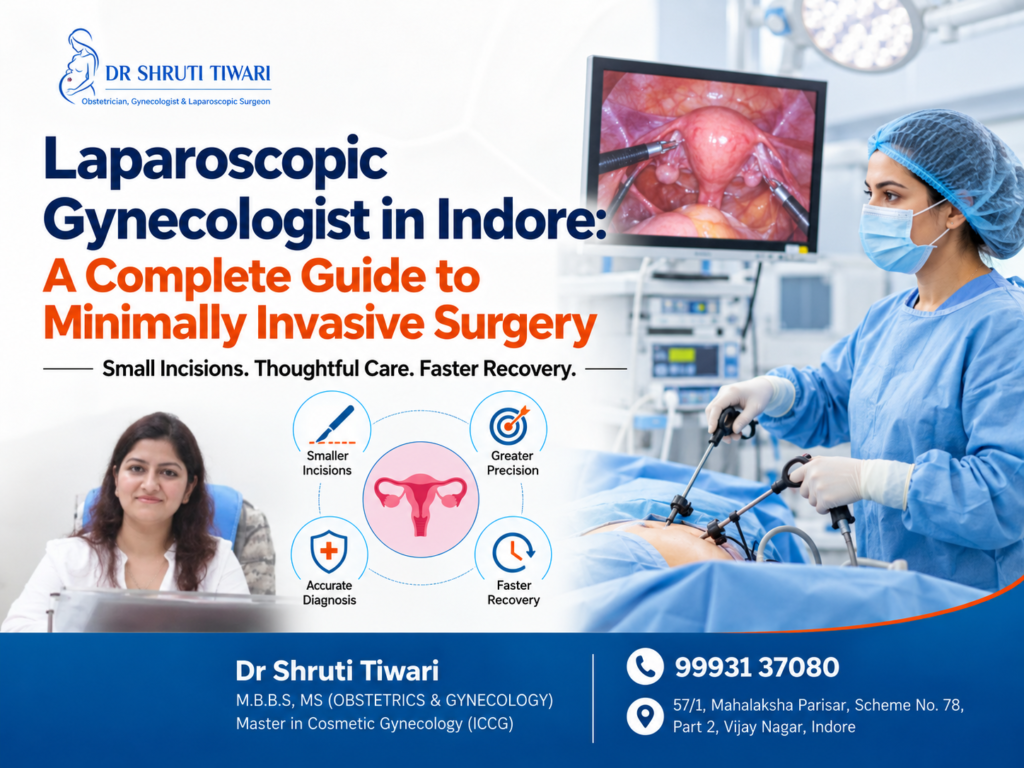
Laparoscopic surgery is a minimally invasive surgical technique used for selected conditions affecting the female reproductive system. Instead of making one large abdominal incision, the surgeon uses a small camera and specialised instruments inserted through small incisions.
The laparoscope has a camera and light that allow the surgeon to view internal structures on a monitor. Specialised instruments are used to perform the planned procedure.
Which gynecological conditions may require laparoscopic surgery?
Depending on the diagnosis, laparoscopic surgery may be considered for:
- Selected ovarian cysts
- Certain uterine fibroids
- Endometriosis
- Some conditions requiring hysterectomy
- Other gynecological conditions requiring surgical assessment
The suitability of the procedure depends on the patient’s condition, symptoms, previous operations, overall health and reproductive goals. A Laparoscopic Surgeon in Indore may assess the available treatment options and explain whether laparoscopic surgery is appropriate. In some cases, medicines or observation may be more suitable. In other situations, a different surgical approach may be required.
How Is Laparoscopic Gynecological Surgery Performed?
Although the exact steps depend on the procedure, laparoscopic surgery generally involves three stages.
Before surgery: The doctor reviews symptoms, medical history, previous operations and investigation reports. Blood tests, ultrasound imaging or other examinations may be required. The patient receives instructions about fasting, medicines and anaesthesia.
During surgery: The procedure is usually performed under general anaesthesia. Small incisions are made in the abdomen, and the laparoscope and specialised instruments are inserted. The surgeon examines the relevant structures and performs the planned treatment.
After surgery: The patient is monitored while recovering from anaesthesia. Depending on the procedure and individual health, discharge may be possible on the same day or after an overnight stay. More complex operations may require longer hospital observation.
Women searching for a Laparoscopic Surgeon in Vijay Nagar Indore should discuss the proposed procedure, possible alternatives, expected recovery and surgical risks before making a decision.
Possible Benefits of Laparoscopic Surgery
When laparoscopic surgery is suitable, it may offer certain benefits compared with some traditional open procedures. However, the results and recovery experience differ depending on the operation and the patient’s health.
Smaller Incisions
Laparoscopic surgery generally uses smaller incisions than traditional open surgery. This may result in smaller visible scars, although the final appearance depends on individual healing and the procedure performed.
Potentially Less Postoperative Discomfort
Some patients may experience less discomfort after laparoscopic surgery than after comparable open procedures. However, pain levels vary, and pain relief may still be needed during recovery.
Return to Daily Activities
For selected procedures, patients may return to routine activities sooner than after comparable open surgery. The timing depends on the operation, general health and recovery progress.
Hospital Stay
Certain laparoscopic procedures may be performed as day-care surgery, while others require an overnight stay or longer hospital observation. The length of stay depends on the procedure and the patient’s condition.
Detailed Visualisation
The camera provides a magnified view of the operating area. This allows the surgeon to examine internal structures while carrying out the planned procedure.
These are possible benefits, not guaranteed outcomes. Laparoscopic surgery is not always the safest or most appropriate option. The decision should be based on an individual medical assessment.
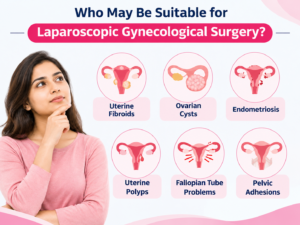
Who May Be Suitable for Laparoscopic Gynecological Surgery?
Laparoscopic surgery may be considered for women with selected gynecological conditions that require an operation. However, not every patient is suitable for this technique.
The doctor may consider:
- The type and severity of the condition
- The size and location of the affected area
- Previous abdominal or pelvic operations
- Existing medical conditions
- General health and anaesthesia-related risks
- Pregnancy plans and fertility-related concerns
- Whether the procedure can be performed safely using laparoscopy
For example, a small ovarian cyst that causes no symptoms may only need monitoring. Another cyst may require further investigation or surgical treatment. Similarly, fibroid treatment depends on size, location, bleeding symptoms and future pregnancy plans. An Obstetrician-Gynecologist in Indore can review the patient’s symptoms, examination findings and investigation reports before explaining whether medicines, observation or surgery may be appropriate.
Recovery After Laparoscopic Gynecological Surgery
Recovery depends on the type of procedure, the patient’s general health and whether any complications occur. A minor diagnostic procedure may have a different recovery period from a more extensive operation.
Some patients may experience temporary symptoms such as:
- Mild abdominal discomfort
- Tiredness
- Bloating
- Temporary shoulder-tip pain
- Discomfort around the incision sites
The surgical team may recommend suitable pain relief and provide instructions about wound care and daily activities. Patients are generally advised to increase activity gradually and avoid strenuous activities until they receive medical clearance. A Laparoscopic Surgeon in Indore should provide procedure-specific guidance about bathing, driving, exercise, lifting heavy objects, returning to work and resuming sexual activity. These instructions may differ depending on the operation.
Patients should attend follow-up appointments so the surgical team can review healing and discuss any results. Medical advice should be sought if symptoms become worse instead of improving.
Women’s Health Across Different Stages of Life
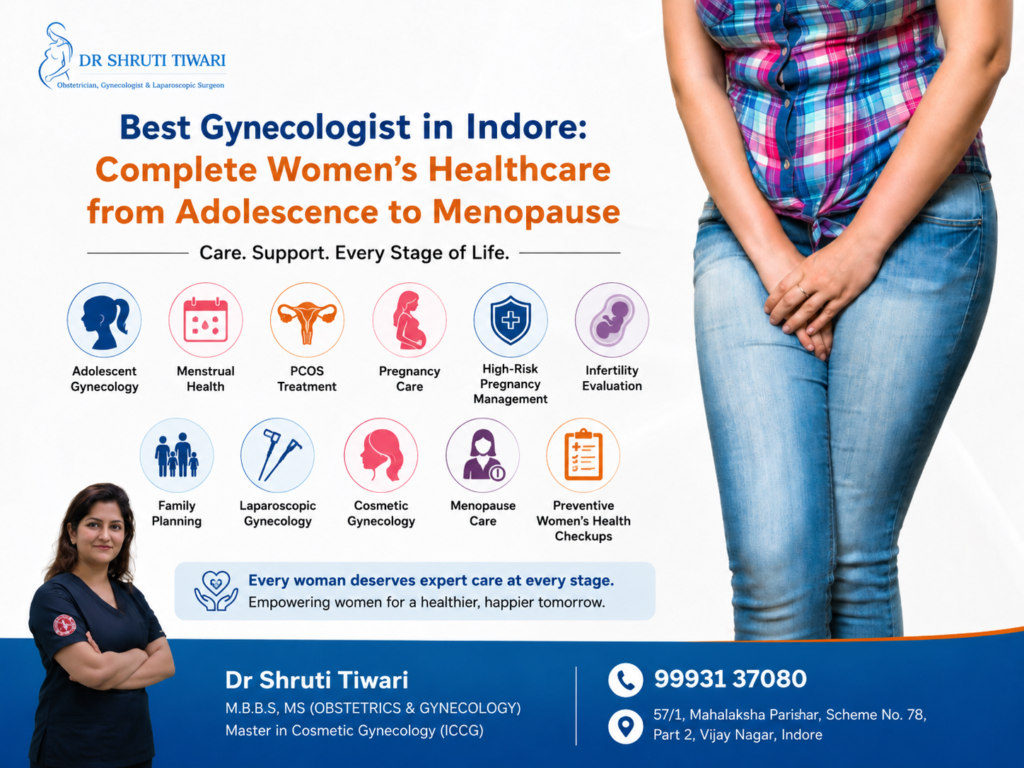
Women’s healthcare needs may change with age and life circumstances. Menstrual health, reproductive planning, pregnancy, childbirth and menopause may involve different medical concerns. A Women’s Health Specialist in Indore may assess symptoms related to menstrual changes, pelvic discomfort, reproductive health and other gynecological conditions. Regular medical evaluation can also help identify certain problems that may not cause noticeable symptoms in their early stages.
Some women may need assessment for irregular periods, while others may require evaluation for fibroids, ovarian cysts or endometriosis. Pregnancy-related care may involve antenatal monitoring, delivery planning and postnatal assessment. The appropriate care plan depends on symptoms, medical history, age, reproductive goals and examination findings. Not every woman needs the same investigations or treatment.
How to Choose the Right Obstetrician-Gynecologist in Indore?
Choosing a doctor for pregnancy care or a gynecological condition is an important decision. Patients should consider relevant qualifications, clinical areas, hospital facilities and the clarity of the medical guidance provided.
What should you check before choosing a gynecologist?
Consider the following points:
- Relevant medical qualifications and specialist training
- Clinical experience with the particular condition or procedure
- Availability of appropriate hospital facilities
- Clear explanation of the diagnosis and treatment options
- Discussion of possible risks and limitations
- Follow-up arrangements after treatment
- Consideration of pregnancy and fertility plans
Patients should feel comfortable discussing symptoms and asking questions. For major surgery or complex medical decisions, another medical opinion may also help clarify the available options. Dr. Shruti Tiwari is associated with Jyoti Hospital, Vijay Nagar, Scheme No. 54, Indore. Women looking for a Gynecologist in Vijay Nagar Indore or an Obstetrician in Vijay Nagar Indore can refer to the hospital’s location when checking consultation details.
Dr. Shruti Tiwari at Jyoti Hospital, Vijay Nagar, Indore
Dr. Shruti Tiwari is a consultant Obstetrician and Laparoscopic Surgeon associated with Jyoti Hospital, Vijay Nagar, Indore. Her qualifications include MBBS, MS in Obstetrics and Gynecology and a Master in Cosmetic Gynecology from ICCG. Her clinical areas include pregnancy care, high-risk pregnancy management, reproductive health concerns and laparoscopic gynecological procedures. The treatment approach depends on the patient’s condition, symptoms, medical history and clinical findings.
Women looking for Pregnancy Care in Vijay Nagar Indore can consider the importance of regular antenatal visits and pregnancy monitoring. Those exploring laparoscopic treatment should discuss the diagnosis, available alternatives, expected recovery and possible risks before deciding on a procedure.
Practice location: Jyoti Hospital, Vijay Nagar, Scheme No. 54, Indore, Madhya Pradesh 452010.
Patients should confirm the current consultation schedule and appointment details with the hospital before visiting.
FAQs – Obstetrician-Gynecologist in Indore
1. Who is the best Obstetrician-Gynecologist in Indore?
Choosing the best doctor depends on the patient’s medical needs, the doctor’s relevant qualifications, clinical areas and the facilities available for treatment. Dr. Shruti Tiwari is a consultant Obstetrician and Laparoscopic Surgeon associated with Jyoti Hospital, Vijay Nagar, Indore. Patients can discuss their pregnancy or gynecological concerns during a medical consultation to understand the suitable care options.
2. How do I choose the best Gynecologist in Indore for women’s health problems?
When choosing a Gynecologist in Indore, consider the doctor’s qualifications, experience with the particular condition, hospital facilities and communication. It is important to understand the diagnosis, available treatment options and possible risks. The right choice should be based on individual medical requirements rather than online rankings alone.
3. Who is a suitable Obstetrician in Vijay Nagar Indore for pregnancy care?
A suitable obstetrician should be qualified to provide pregnancy-related care and assess the mother’s health throughout pregnancy. Women looking for an Obstetrician in Vijay Nagar Indore can consider Dr. Shruti Tiwari, who is associated with Jyoti Hospital, Vijay Nagar, Scheme No. 54, Indore. The required care depends on the pregnancy stage and individual medical history.
4. What is included in Pregnancy Care in Indore?
Pregnancy care may include regular antenatal check-ups, blood pressure monitoring, assessment of the mother’s health, ultrasound examinations and recommended laboratory tests. It may also involve identifying possible pregnancy complications and planning further monitoring according to the mother’s medical condition.
5. When should I visit a gynecologist for irregular periods?
Medical assessment is recommended when periods are repeatedly irregular, unusually heavy, very painful or accompanied by bleeding between cycles. The doctor may review the menstrual history and recommend investigations to identify possible causes such as hormonal changes, thyroid conditions or polycystic ovary syndrome.
6. Which conditions can be treated with laparoscopic gynecological surgery?
Laparoscopic surgery may be considered for selected ovarian cysts, uterine fibroids, endometriosis and certain conditions requiring hysterectomy. Not every patient needs surgery. The decision depends on the diagnosis, symptoms, previous operations and overall health.
7. Is laparoscopic surgery suitable for every woman?
No. Some women may benefit from medicines or observation, while others may require a different surgical approach. The doctor assesses the condition, medical history, previous surgeries and pregnancy plans before recommending a procedure.
8. Where does Dr. Shruti Tiwari practise in Indore?
Dr. Shruti Tiwari is associated with Jyoti Hospital, Vijay Nagar, Scheme No. 54, Indore, Madhya Pradesh 452010. Patients should confirm the current consultation schedule and appointment details with the hospital before visiting.
Conclusion – Women’s Healthcare, Pregnancy Care and Laparoscopic Treatment
Women’s healthcare involves understanding reproductive health concerns, managing pregnancy-related needs and identifying gynecological conditions that may require medical or surgical treatment. Conditions such as uterine fibroids, ovarian cysts, endometriosis and irregular periods can affect women differently. Pregnancy care also requires regular monitoring to assess the health of the mother and baby and identify possible complications.
Dr. Shruti Tiwari, consultant Obstetrician and Laparoscopic Surgeon associated with Jyoti Hospital, Vijay Nagar, Indore, provides care in obstetrics, gynecology, high-risk pregnancy management and laparoscopic gynecological procedures. Women considering medical or surgical treatment should discuss their diagnosis, available options, possible risks and recovery requirements with their treating doctor. A suitable care plan should always be based on individual medical needs and clinical assessment.